Heel pain on the bike feels like a cruel joke. You chose a low-impact sport, yet you're battling a classic runner's injury. Plantar fasciitis in cycling isn't just bad luck; it's a sign that your foot's foundation is unstable. This guide unpacks the unique biomechanical stresses that cycling places on your feet and reveals how the targeted support of a carbon fibre insole can be the key to pain-free performance, preventing power leakage and ending the agony of every pedal stroke.
That Stabbing Heel Pain: How Can a Cyclist Get a Runner’s Injury?
It’s one of cycling’s great ironies. You ride for hours, gliding along without the jarring impacts of running, yet you step off the bike and feel a sharp, stabbing pain in your heel. Welcome to the world of plantar fasciitis, an injury most people associate with high-impact sports. For a cyclist, this diagnosis can be confusing and deeply frustrating. The cause isn't impact, but relentless, repetitive pressure and instability. Every single pedal stroke—all 5,400 of them in an hour at a 90 RPM cadence—can strain the ligament in your arch if your foot isn't properly supported. This guide explores why cyclists are surprisingly susceptible to this painful condition and how the right technology can rebuild your foot’s foundation, turning agony back into acceleration.
Decoding the Pain: Symptoms of Plantar Fasciitis for Cyclists
Plantar fasciitis pain has a few tell-tale characteristics. It often builds gradually, making it easy to ignore until it becomes a serious problem. Look out for:
- First-Step Agony: Excruciating pain in your heel or arch during the first few steps in the morning or after getting off the bike.
- Pain Under Pressure: A sharp, localised pain when you press on the bottom of your heel.
- The "Warm-Up" Illusion: The pain might fade as you start your ride, only to return with a vengeance during hard efforts, on long climbs, or after you’ve cooled down.
- A Feeling of Tightness: Your entire foot sole can feel stiff and inelastic, as if the tissue is strung too tight.
The Biomechanical Trap: Why Your Cycling Shoes Are Failing You
Your foot is locked in a stiff shoe and clipped to a pedal. So where does the problem come from? It originates from micro-movements and a lack of specific support, creating a trio of biomechanical faults.
1. The Collapsing Arch
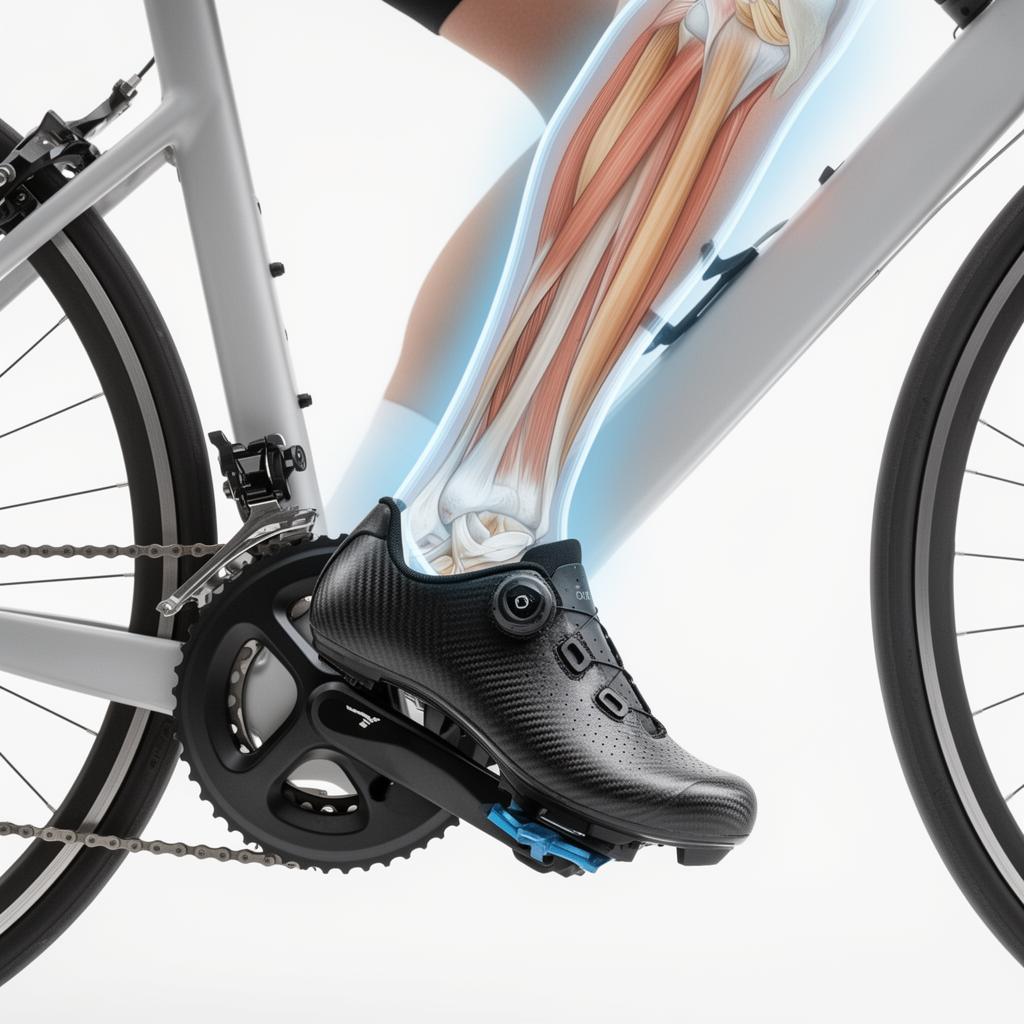
Most cycling shoes come with a generic, flimsy foam insole that offers zero structural support. When you apply force to the pedal, your foot’s natural arch tries to flatten. Without a rigid structure to hold it up, the arch collapses slightly. This descent stretches the plantar fascia—the thick band of tissue connecting your heel to your toes. Over thousands of pedal strokes, this repetitive stretching causes micro-tears and inflammation. This is the very definition of plantar fasciitis.
2. The Wrong Leverage Point (Cleat Position)
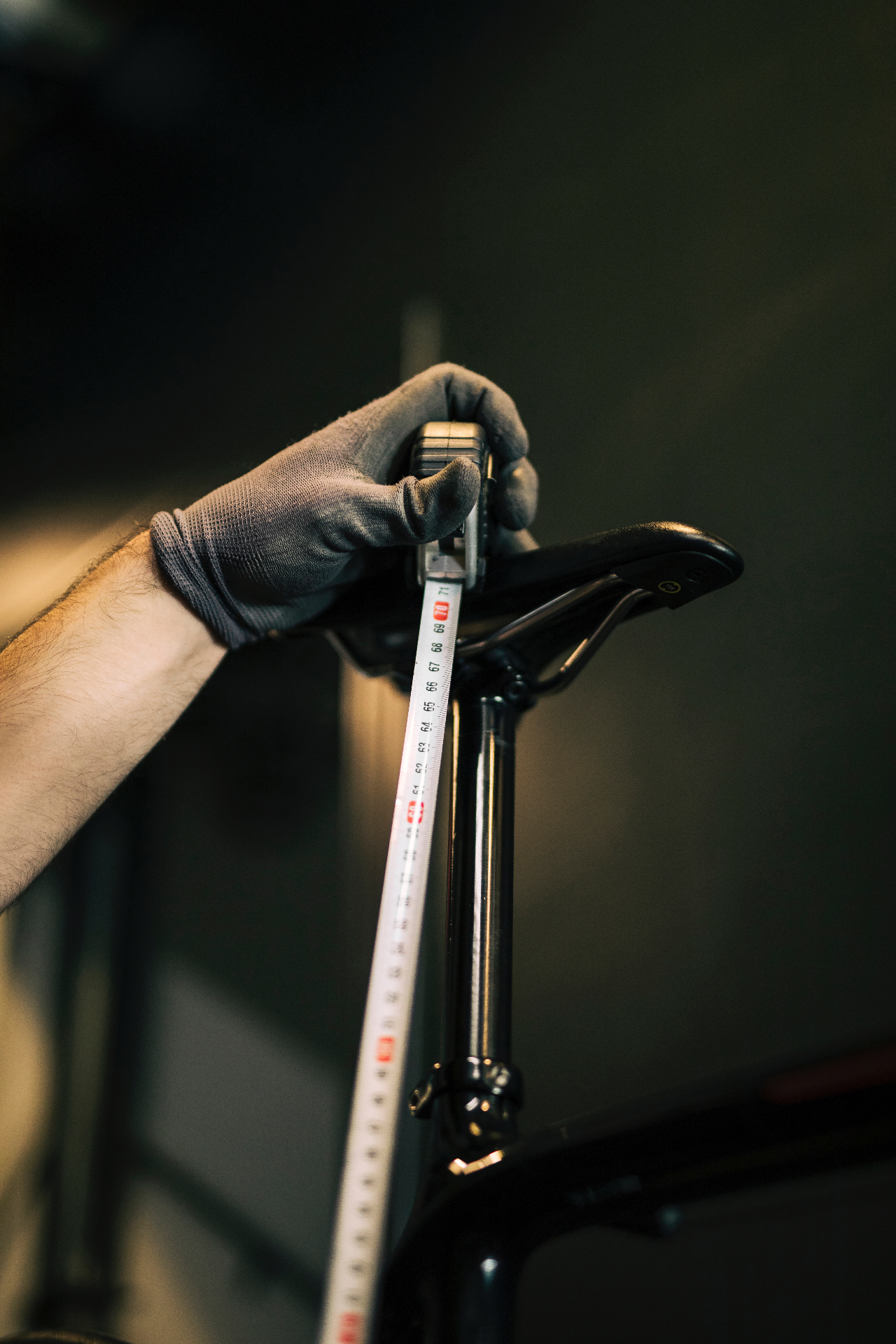
Placing your cleats too far forward, under the ball of your foot, effectively lengthens the lever arm that your calf, Achilles tendon, and plantar fascia have to control. This setup creates constant tension through the sole of your foot, pulling on the plantar fascia with every downstroke. A professional bike fit is invaluable, but a key component is ensuring your cleats are positioned to reduce this strain.
3. Power-Robbing Sole Flex
Entry-level cycling shoes often use nylon or fibreglass-composite soles. Under the high force of pedalling, these soles can bend. While it may seem insignificant, this flex forces the small muscles in your feet to work overtime just to create a stable platform. This muscular fatigue contributes to the breakdown of supportive structures, including the plantar fascia.
The Carbon Fibre Fix: A Stable Foundation for Power and Comfort
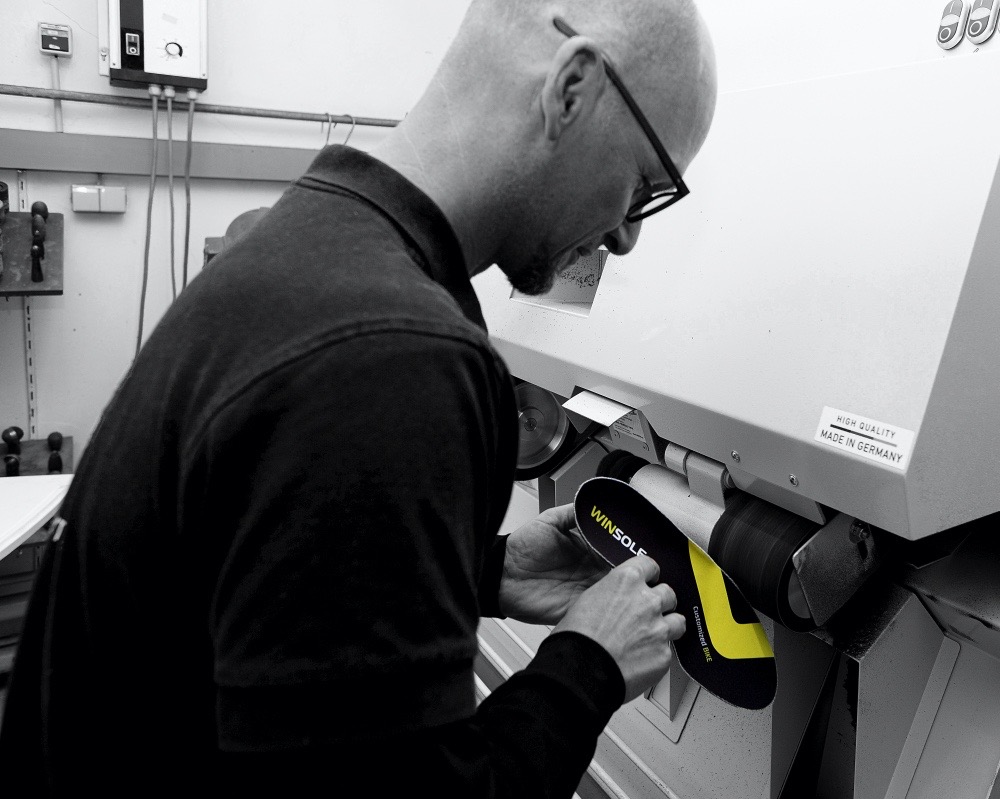
At WINSOLE, we’ve used over 25 years of biomechanical expertise to engineer a direct solution. Our carbon insoles are not just inserts; they are precision-crafted tools built to counteract the forces that cause plantar fasciitis in cyclists.
"The foot-pedal interface is where performance is born. A stable foot is a powerful, pain-free foot. We build that stability from the ground up." – The WINSOLE Team
Unshakeable Arch Support
The core of our design is the rigid carbon fibre shell. The WINSOLE Performance insole (€139) provides uncompromising support to your longitudinal arch. Unlike foam, it does not compress or deform, even during an all-out sprint or a gruelling climb. This rigid support prevents the arch from collapsing, immediately relieving the strain on your plantar fascia. It stops the primary cause of the pain before it can even begin.
Dispersing Pressure, Not Concentrating It
By customising the shape to your foot, our insoles distribute pedalling pressure across a much larger surface area. This eliminates the "hot spots" that often lead to inflammation. For cyclists already struggling with acute pain, our WINSOLE Comfort model (€109) incorporates targeted damping materials to provide maximum relief and support the healing process.
Zero-Flex for Maximum Power
Carbon fibre is the gold standard for a reason: it's incredibly stiff and lightweight. A WINSOLE insole ensures that every watt you generate is transferred directly into the pedal. There is no power lost to foot collapse or sole deformation. This efficiency is why world-class athletes like Emma Hinze and Mona Mitterwallner rely on our technology not just for performance, but to prevent injuries like plantar fasciitis.

Your Immediate Action Plan for Foot Pain Relief
Alongside upgrading your insoles, these immediate actions can help you manage the symptoms and start the recovery process today:
- Stretch Your Calves: Tight calf muscles pull on the Achilles tendon, which in turn pulls on the plantar fascia. Make daily calf stretches a non-negotiable part of your routine.
- Ice Massage: Freeze a small water bottle and roll your foot over it for 10-15 minutes after a ride. The cold reduces inflammation while the pressure massages the fascia.
- Trigger Point Release: Use a tennis ball or a dedicated massage ball to roll out the sole of your foot each morning and evening. This helps to release adhesions in the tissue.
- Rethink Your Cleats: As an experiment, try moving your cleats back 3-5mm towards your heel. This "mid-foot" adjustment can significantly reduce the leverage and strain on your forefoot and plantar fascia.
Conclusion: Build a Resilient Foundation for Every Ride
Plantar fasciitis doesn’t have to sideline your cycling season. By understanding that the root cause is instability—not impact—you can take effective action. The solution lies in creating an unyielding foundation within your shoe. WINSOLE carbon insoles provide this critical stability, correcting the biomechanical faults that lead to pain. By stopping arch collapse and improving power transfer, you not only alleviate pain but also unlock a more efficient and powerful pedal stroke. For a fully tailored solution, consider our Customized insoles (from €199), built precisely for your unique foot structure.
Frequently asked questions
Q: How long does it take for the insoles to work for plantar fasciitis?
A: Many riders feel an immediate sense of support and relief from the first ride, as the carbon insole prevents the arch from collapsing and straining the fascia. However, for the underlying inflammation to fully heal, it may take several weeks of consistent use combined with other recovery measures like stretching.
Q: Can I use my WINSOLE cycling insoles in my running or everyday shoes?
A: Our cycling-specific insoles are optimised for the biomechanics and confined space of a cycling shoe. While they provide excellent support, we offer different models specifically designed for the dynamics of walking and running. Using the correct insole for the specific activity is crucial for optimal results.
Q: Is a carbon fibre insole too stiff or uncomfortable?
A: It's a common misconception that "stiff" means "uncomfortable." Our insoles are ergonomically shaped to your foot's contours. The stiffness is precisely what provides the support and comfort, because it prevents the painful flex and collapse of your arch. The comfort comes from the stability, not from soft, unsupportive cushioning.
Q: Do I still need a bike fit if I get WINSOLE insoles?
A: Yes. A professional bike fit is still highly recommended. WINSOLE insoles perfect the foundation inside your shoe, but a bike fitter will optimise your entire kinetic chain, including saddle height, handlebar reach, and cleat position. The combination of a proper fit and a supportive insole creates the ultimate system for performance and injury prevention.
'''Find the right insole for your setup
Not sure? Start with Comfort or Performance.
Topics:
You might also be interested in

Find more information on this topic on our special pages: