
How many watts does a lighter road bike really save
Lighter Road Bike or Stable Feet: How Many Watts Does an Optimized Road Bike Really Save?
Many road cyclists invest thousands of Euros in lighter wheels, carbon components, electronic shifting groupsets, or aero upgrades, hoping to optimize their road bike and thereby save more watts. The logic is simple: less weight means more speed. But how significant is the effect really? And are optimizations perhaps being made in an area that yields less than many riders believe?
The Myth of Weight in Road Cycling
Weight naturally plays a role in cycling – especially uphill. But the actual advantage of a lighter road bike is often overestimated.
One kilogram less bike weight often saves only a few watts on climbs. On flat terrain, the difference is practically irrelevant, because air resistance, rolling resistance, and riding position have a much stronger effect there. On moderate climbs, one kilogram less weight can account for approximately 3 to 6 watts, depending on rider weight, speed, and gradient. This is measurable, but significantly less spectacular than many expect.
Expensive Upgrades, Small Effects: The Limits of Material Optimization
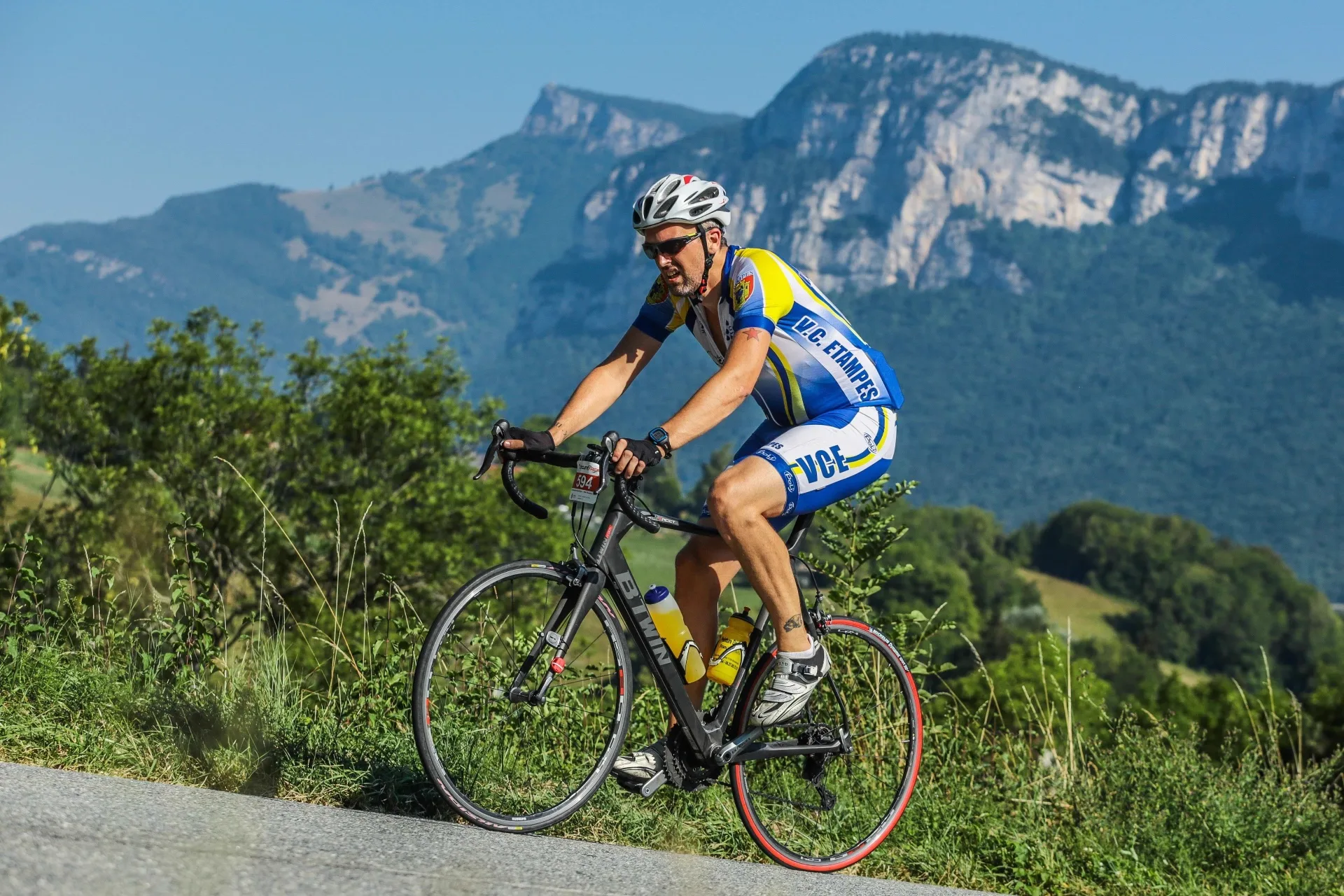
Many riders pay high premiums for saving a few hundred grams of weight. A lighter groupset, a carbon handlebar, or high-end wheels can be technically impressive – but the real performance gain is often smaller than the emotional effect.
This doesn't mean that high-quality components are pointless. They can improve the riding experience, precision, and enjoyment. But when it comes to pure efficiency, it's worth looking at an area that is often underestimated.
The Biggest Performance Reserve is Often in the Foot: Why Power Transfer is Crucial

All of the rider's power is transferred from the foot to the pedal. It is precisely at this interface that it is decided how stable, direct, and efficient the power is delivered to the bike. If the foot is unstable in the shoe, small movements, pressure peaks, and energy losses occur. The rider pedals – but a part of the power does not reach the pedal optimally.
Typical indications of an inefficient connection between foot and pedal are:
- numb toes while cycling
- pressure in the forefoot
- hotspots in the cycling shoe
- unstable pedal feel
- knee problems despite bike fitting
Why Foot Stability Through Insoles is Crucial
Stable foot guidance improves the connection between the body and the bike. The foot is guided more precisely, pressure is distributed more evenly, and power transfer can become more efficient.
This is exactly where the Winsole Customized Carbon Sole comes in. It is individually fitted and supports the foot where standard insoles often give way. The goal is not just comfort. It's about biomechanical efficiency, stability, and more direct power transfer. Learn more about our Winsole Performance Soles.
Scientifically Investigated: The Potential of Insoles in Cycling
In scientific studies and documented test conditions, performance increases of up to 44 watts were measured with the Winsole Customized Carbon Sole.
It is important to classify this correctly: such values apply under certain test conditions and are not universally transferable to every rider. However, they show that the interface between foot, shoe, and pedal can be significantly more relevant than many classic material upgrades. Discover the advantages for your performance in cycling.
Correctly Understanding Marginal Gains: More Than Just Weight
In cycling, much is said about marginal gains. This often concerns frame weight, wheels, aerodynamics, or tire pressure.
But true efficiency is not only created by the material. It is created where energy is lost. And one of the most important points for this lies directly in the cycling shoe.
Conclusion: Where You Can Really Save Watts on Your Road Bike
A lighter road bike can bring advantages – especially on climbs. But the effect is often overestimated. If you really want to ride more efficiently, you should not only optimize the bike, but also the connection between your body and the pedal.
The biggest performance reserve on a road bike is often not in the frame – but in the foot.
Find the right insole for your setup
Not sure? Start with Comfort or Performance.
You might also be interested in


Find more information on this topic on our special pages: