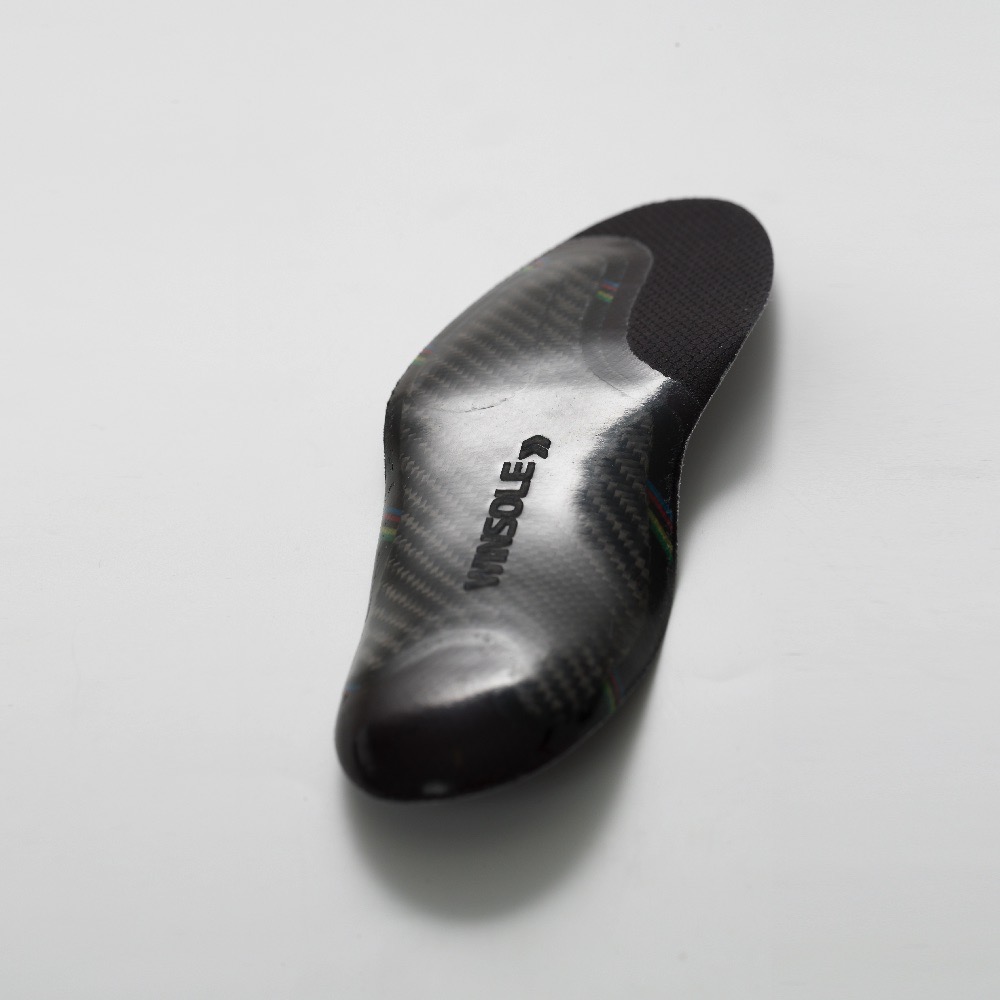
Carbon insoles promise more efficient pedaling. A clear look at the hypothesis, what actually changes – and what riders report on the road.
Do Carbon Insoles Improve Efficiency?
Carbon insoles are marketed as a performance upgrade – but how much of that holds up in practice? Here's a clear look at the mechanism, the changes, and the rider feedback.
The hypothesis
The idea is simple: a stiff, supportive platform under the foot reduces energy loss during the pedal stroke. Less deformation = less wasted work = more output for the same effort.
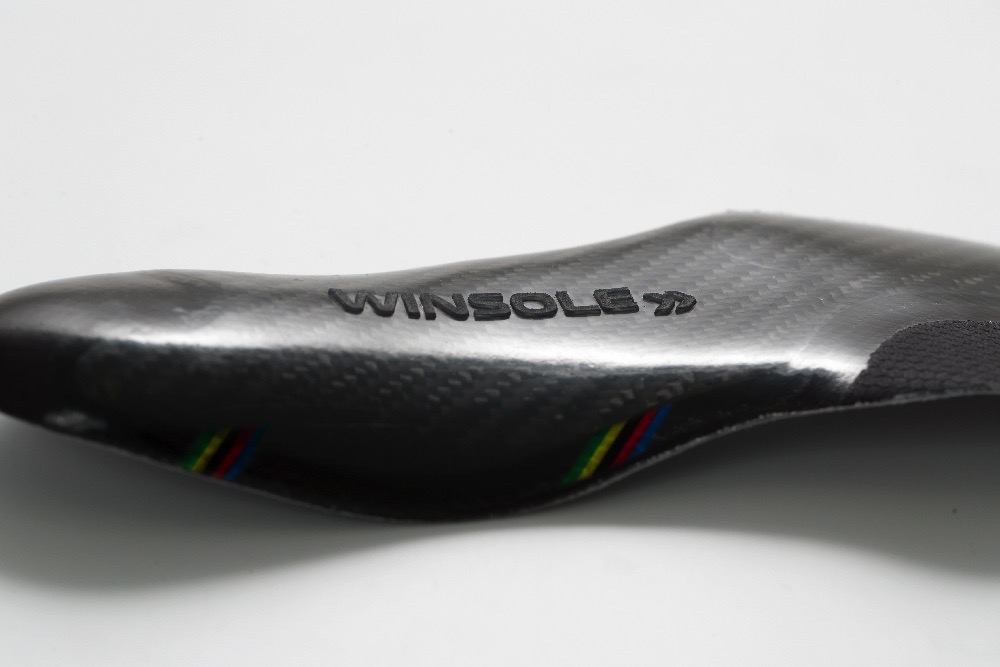
What changes
- Pressure is distributed across a larger area instead of peaking at the forefoot.
- The arch stays supported even at high power.
- Foot alignment remains stable through the full stroke.
- Hot spots and numbness are dramatically reduced.

What riders report
The most common feedback isn't a sudden watt jump – it's consistency. Long rides feel less destructive, the last hour of a race holds up, and recurring foot pain disappears. That alone changes how hard you can train.
Conclusion
Carbon insoles aren't magic, but the mechanism is real and the benefits compound over time. For anyone training seriously, they're one of the best efficiency upgrades available.
Step up your performance:
Find the right insole for your setup
Not sure? Start with Comfort or Performance.
Topics:
You might also be interested in



Find more information on this topic on our special pages: